

About Course
earn to turn agricultural project ideas into clear, credible funding proposals. This course prepares learners to support agribusinesses, farmer organisations and agricultural programmes through grant research and proposal development.
Learners will practise finding suitable funding opportunities, checking eligibility and assessing a project’s readiness. They will learn to write concept notes, explain the problem a project addresses, develop objectives and activities, prepare realistic budgets and organise supporting documents. The course also covers following application instructions, reviewing proposals and managing submission deadlines.
Designed for aspiring grant writers, programme staff, consultants and agribusiness professionals, this course builds practical skills in preparing evidence-based applications that respond to a funder’s priorities.
Course Content
Module 1: Understand the grant writer role and choose a suitable brief
-
Lesson 1: Introduction
-
Lesson 2: Understand the grant writer role and choose a suitable brief in practice
-
Lesson 3: Visual guide understand the grant writer role and choose a suitable brief
-
Lesson 4: Reading guide understand the grant writer role and choose a suitable brief
-
Lesson 5: Portfolio practice An agreed proposal brief and responsibility map
-
Lesson 6: Discussion
Module 2: Find opportunities and turn a call into clear requirements
Module 3: Build an honest evidence base and explain the need
Module 4: Design activities results and a practical measurement plan
Module 5: Write a connected concept note and review it clearly
Module 6: Build the budget contribution and cash timing
Module 7: Confirm partners manage risks and plan responsible delivery
Module 8: Review submit and hand over a reliable application
Module 9: Present your skills and plan growth in grant writing
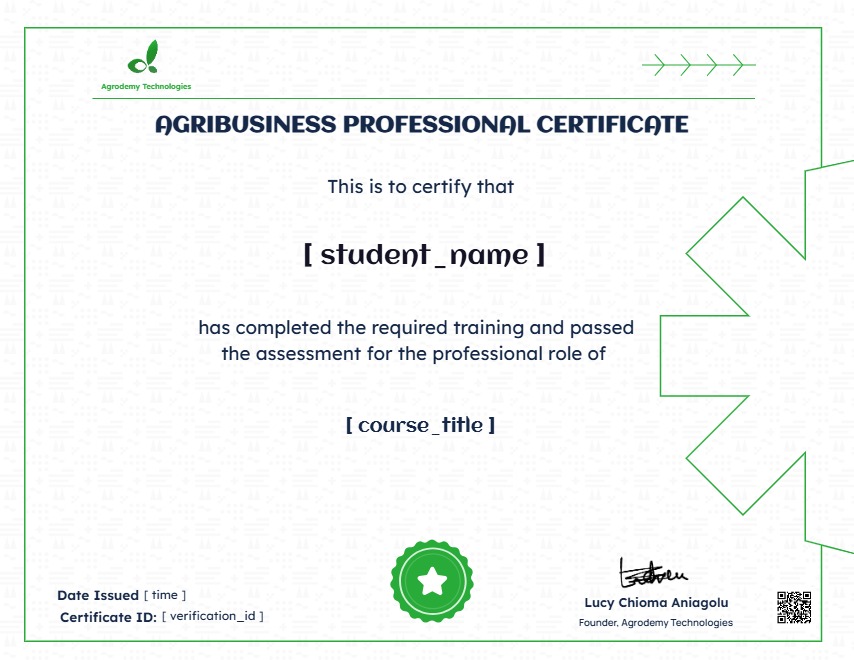
Earn a certificate
Add this certificate to your resume to demonstrate your skills & increase your chances of getting noticed.
Student Ratings & Reviews
