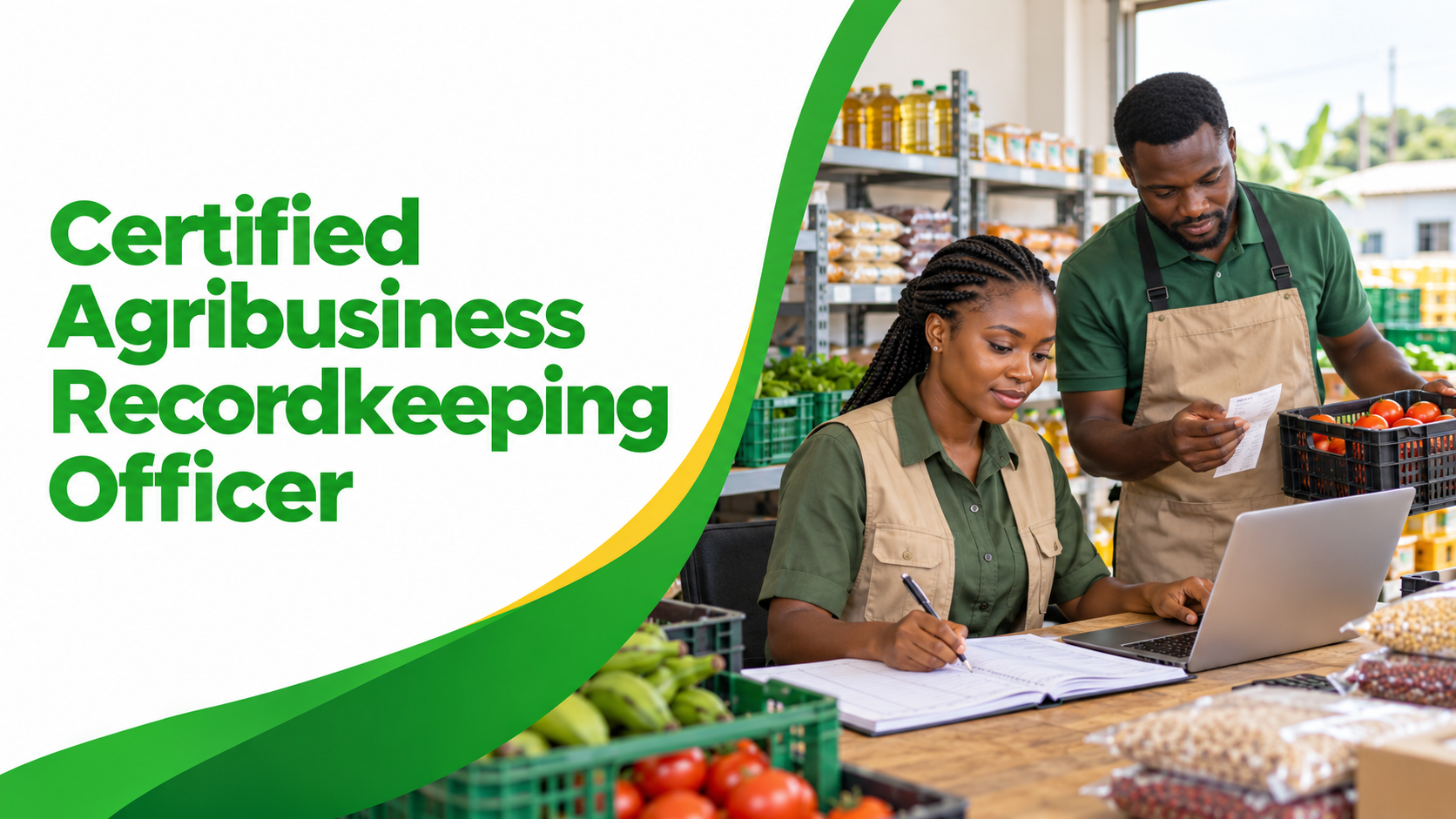
Agribusiness Recordkeeping Officer

Wishlist Share

About Course

When sales, expenses and stock movements are recorded late or incorrectly, an agribusiness can lose track of its money and products. A recordkeeping officer makes sure daily activities are documented clearly and consistently.
In this course, learners will practise recording sales and purchases, organising receipts, updating stock records and checking entries against physical inventory. They will learn to use simple paper or digital templates, correct errors and prepare records that an accounting officer or manager can rely on.
The course is designed for aspiring records officers, farm administrators and agribusiness employees responsible for keeping accurate day-to-day business information.

What Will You Learn?

  • Map operational events and source handovers.
  • Design a clear receiving form and data dictionary.
  • Keep seed input and labour support records.
  • Distinguish physical held reserved and free stock.
  • Link dispatch receipt acceptance invoice and payment sources.

Course Content

Module 1: Understand the Role and Follow the Work
Explain how records support farm and business decisions, map the source trail and recognise the limits of a recordkeeping role.

  • Lesson 1: Introduction
  • Lesson 2: Understand the Role and Follow the Work in Practice
    05:13
  • Lesson 3: Read and Practise Agribusiness Recordkeeping Role Guide
  • Lesson 4: Build Your Project Follow one lot across four handovers
  • Lesson 5: Discuss
  • Module 1: Understand the Role and Follow the Work Knowledge Check

Module 2: Design Forms and References People Can Use
Create practical fields, stable references, clear units and an entry dictionary that reduces avoidable mistakes.

Module 3: Keep Farm Input Production and Labour Records
Keep separate input, activity and labour records with meaningful units and a clear review status.

Module 4: Record Produce Movements and Stock Status
Trace field dispatch, hub receipt, holds, reservations, onward dispatch and buyer acceptance without double counting.

Module 5: Link Sales Purchase and Money Records
Connect commercial documents, receipts and payment sources while preserving the boundary between records and accounting decisions.

Module 6: Build and Check a Digital Register
Use a clear table, validation, duplicate checks and guarded formulas, while keeping source evidence and capture history.

Module 7: File Protect Retrieve and Retain Records
Create an accessible filing index, practical access roles, retrieval checks and an authorised retention process.

Module 8: Reconcile Differences and Correct Records Traceably
Investigate differences without unsupported accusations, retain corrections and follow open issues through review and handover.

Module 9: Prepare Useful Reports KPIs and Handovers
Define meaningful measures, report the right population and turn record quality findings into clear actions.

Module 10: Write a Working SOP and Use AI Responsibly
Write and test a practical recordkeeping procedure and use AI for permitted drafting without inventing evidence or approvals.

Module 11: Show Your Work and Prepare for the Role
Present an honest portfolio, adapt a CV to a relevant job description and practise explaining recordkeeping decisions.

Project Approval, Project Submission and CV

Final Recordkeeping Knowledge Examination
Demonstrate source checking, quantity and status reasoning, correction, information handling and reporting judgement. This dedicated final assessment module contains one examination.

Other and Further Learning Resources

Earn a certificate

Add this certificate to your resume to demonstrate your skills & increase your chances of getting noticed.
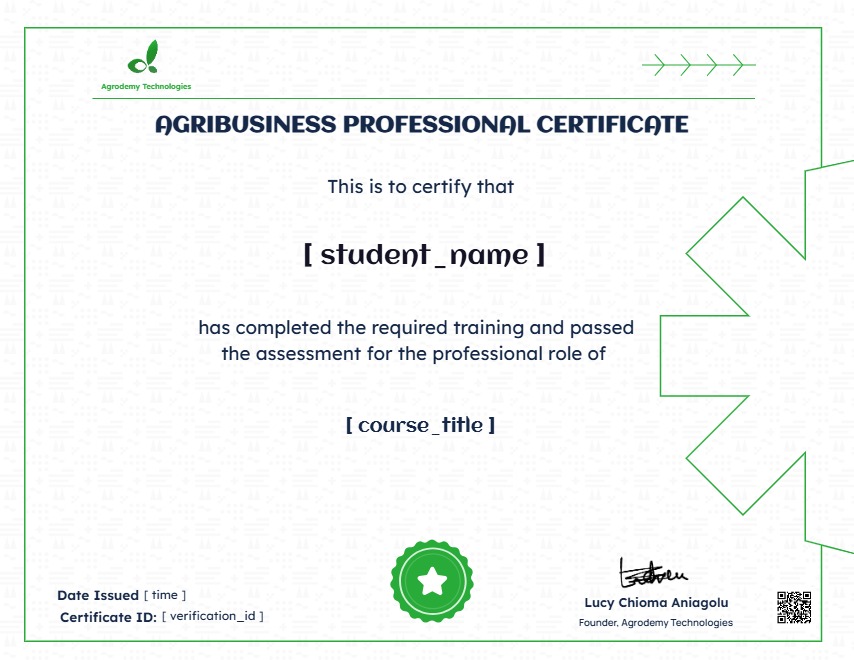
selected template

Student Ratings & Reviews

No Review Yet
No Review Yet

Want to receive push notifications for all major on-site activities?

✕
Select your currency
USD United States (US) dollar
Scroll to Top