
Agribusiness Administrative Officer

Wishlist Share

About Course

Help an agribusiness stay organised, communicate professionally and follow through on daily tasks. This course prepares learners to manage the documents, correspondence and schedules that support smooth business operations.
Learners will practise writing professional emails and letters, preparing meeting minutes, organising paper and digital files, and managing calendars and follow-ups. The course also covers preparing routine reports, coordinating information between staff and external contacts, and handling confidential documents responsibly.
Designed for aspiring administrative officers, office assistants and agribusiness support staff, this course builds practical skills in business writing, document organisation and office coordination.

What Will You Learn?

  • Capture requests with outputs, owners, deadlines and evidence.
  • Plan a realistic day and escalate competing priorities.
  • Write clear emails, call notes and respectful follow-ups.
  • Organise files and check version status, inherited access and retrieval.
  • Resolve calendar conflicts and prepare agendas, draft minutes and action logs.

Course Content

Module 1: Know your role and organise the working day
Understand how administration supports farm, processing and service teams. Turn incoming work into a prioritised register with clear owners and limits.

  • Lesson 1: Introduction
  • Lesson 2: Working through know your role and organise the working day
  • Lesson 3: Use the practical role guide
  • Lesson 4: Visual guide to know your role and organise the working day
  • Lesson 5: Practice plan the first hour
  • Lesson 6: Discussion

Module 2: Write clear messages and handle people professionally
Draft useful emails, calls and follow-ups. Confirm understanding, manage complaints and preserve a record without promising authority you do not have.

Module 3: Keep records people can find and access correctly
Build a practical file structure, naming convention and document register. Distinguish current, draft and obsolete records; check inherited access and retrieval quality.

Module 4: Coordinate calendars meetings and action records
Resolve availability and time-zone conflicts. Prepare an agenda, record decisions accurately and maintain actions after the meeting.

Module 5: Support purchases and check delivery evidence
Prepare a fair comparison, route approval, record shortages and assemble a payment-review file. Separate recommendation, order, receipt and payment authority.

Module 6: Reconcile advances and prepare finance support records
Check an advance account against claims, evidence and cash returned. Explain unresolved amounts without creating receipts or declaring Finance clearance.

Module 7: Coordinate office stock assets facilities and visits
Reconcile office supplies, maintain custody records, route facilities concerns and prepare practical visit arrangements with clear owners.

Module 8: Build useful trackers and report service performance
Use stable IDs, consistent statuses and simple formulas. Calculate acknowledgement and accepted closure with the correct denominator; report unresolved work and data gaps.

Module 9: Protect information and keep work going responsibly
Use access, incident and continuity routines. Apply AI to permitted dummy material, check its output and preserve human approval and source evidence.

Module 10: Build your role portfolio and prepare for work
Compare administrative job descriptions, choose fair KPIs, write and test an SOP, and present truthful work samples in a CV and interview.

Project and CV assessment

Earn a certificate

Add this certificate to your resume to demonstrate your skills & increase your chances of getting noticed.
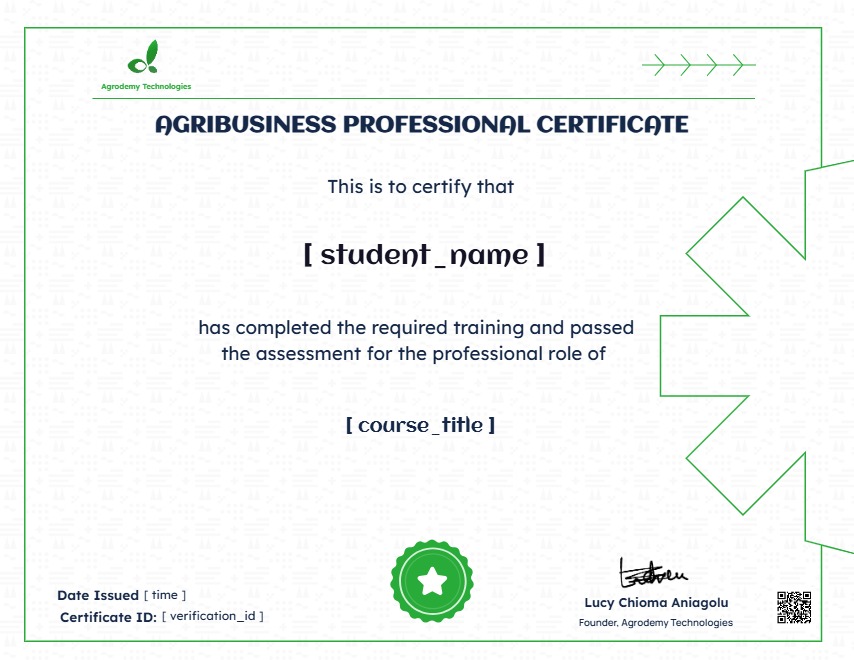
selected template

Student Ratings & Reviews

No Review Yet
No Review Yet

Want to receive push notifications for all major on-site activities?

✕
Select your currency
USD United States (US) dollar
Scroll to Top