
About Course
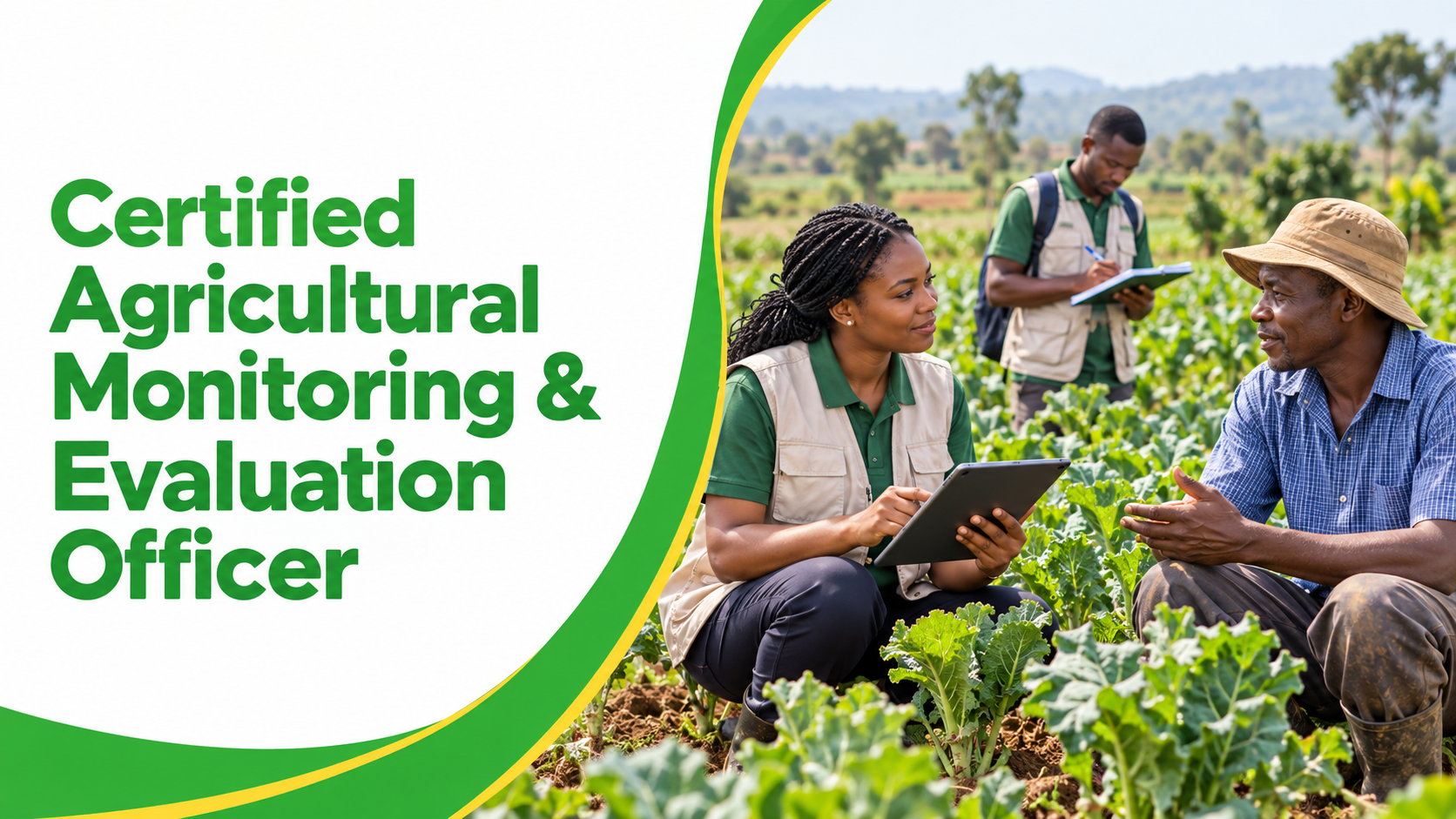
Learn to track agricultural activities and use evidence to understand their results. This course prepares learners to help agribusinesses and agricultural programmes measure progress, identify problems and improve their work.
Learners will practise developing indicators, setting targets, preparing data collection tools and conducting field surveys. They will learn to check data quality, analyse simple datasets, compare results against plans and write clear reports. The course also covers obtaining informed consent, protecting participants’ information and using findings to recommend practical improvements.
Designed for aspiring monitoring and evaluation officers, field staff and agricultural programme teams, this course builds practical skills in collecting reliable information and turning it into useful decisions.
Course Content
Module 1: Start with the decision, not the questionnaire
-
Lesson 1: Introduction
-
Lesson 2: Watch and practise: Start with the decision, not the questionnaire
-
Lesson 3: Visual guide: Decision Users
-
Lesson 4: Read the practical role guide
-
Lesson 5: Portfolio practice: A one-page monitoring brief with decision users and evidence limits
-
Lesson 6: Discussion:
-
Module 1: Start with the decision, not the questionnaire — knowledge check
Module 2: Build a believable results pathway
Module 3: Define indicators, baselines and targets clearly
Module 4: Plan measurement around people, seasons and limits
Module 5: Build and test useful data-collection tools
Module 6: Run respectful, reliable fieldwork
Module 7: Clean data without losing the evidence
Module 8: Analyse results with the right comparison
Module 9: Listen, code and triangulate qualitative evidence
Module 10: Report clearly and turn findings into action
Module 11: Ask evaluation questions and interpret costs responsibly
Module 12: Work professionally and show your skills
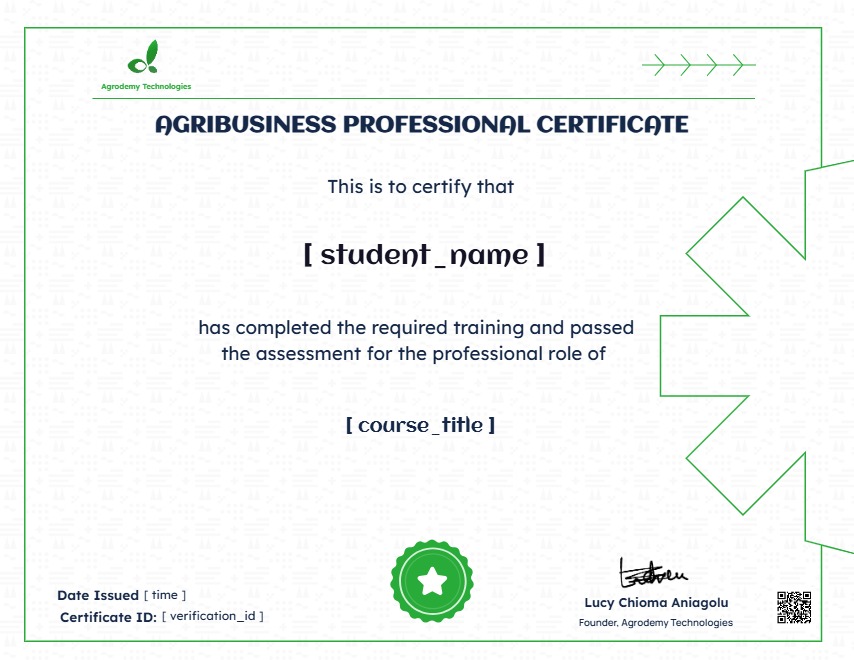
Earn a certificate
Add this certificate to your resume to demonstrate your skills & increase your chances of getting noticed.
Student Ratings & Reviews
